You require a Langley commercial deck builder who combines stamped structural design with West Coast-ready materials and a permit-ready package. We take care of BCBC/City bylaws, seismic/snow/frost criteria, and schedule inspections to pass the first time around. Expect UC4B/UC3B lumber, 304/316 stainless or hot‑dip galvanized hardware, marine‑grade composites, and verified span/load compliance. We collaborate with architects/engineers, provide transparent line‑item estimates, and set maintenance plans that decrease lifecycle cost while preserving brand, safety, and accessibility. See how this approach performs in Langley.
Important Insights
- Local professionals experienced with Langley codes: frost depth, snow loads, seismic detailing, and corrosion-resistant materials for coastal durability.
- Permit-ready, sealed structural plans with details for guards, stairs, and accessibility conforming to BCBC and City of Langley regulations.
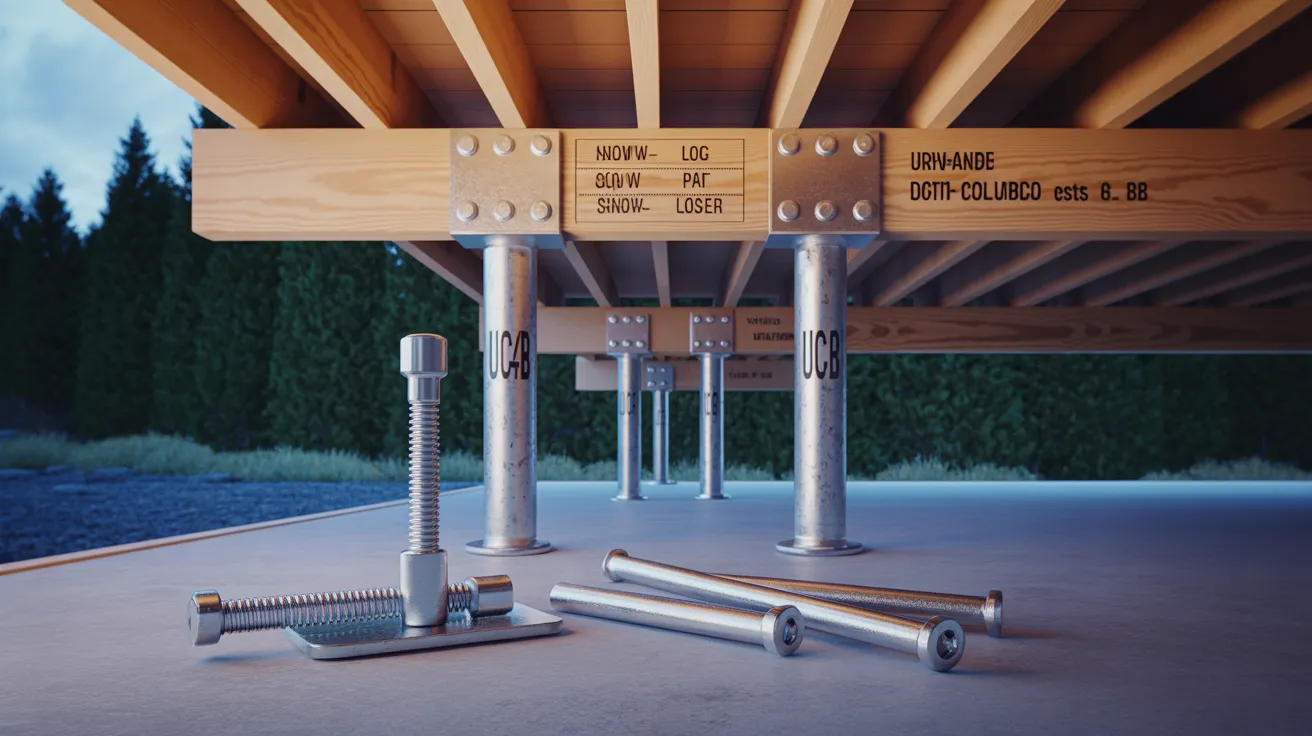
- Marine-grade composites and UC4B/UC3B treated lumber with 304/316 stainless or hot-dip galvanized hardware for long service life.
- Milestone-driven scheduling, well-coordinated inspections, and critical path management to prevent delays and protect budget.
- High-traffic, safe designs: non-slip surfaces, regulation-adherent guards/ramps, effective drainage, and certified calculations surpassing code.
Exactly Why Local Expertise Is Important for Commercial Decks in Langley
Because codes and climate differ considerably in Langley, local expertise guarantees your commercial deck is permitted, designed, and constructed to the proper standards the first time. You benefit from teams who understand frost depths, snow loads, seismic detailing, and corrosion-resistant fasteners appropriate for coastal moisture. They specify species, coatings, and membrane systems that prolong service life and reduce lifecycle costs.
You'll also gain insight from community input to align sightlines, sound levels, and accessibility features with adjacent properties. Local pros manage timing based on seasons to pour footings, apply moisture-sensitive finishes, and arrange weather-based inspection sequences, reducing project setbacks and return visits. They pick fixtures and connection elements tested under regional circumstances, enhance runoff systems, and design expansion joints with precision. What you get: enhanced structural safety, consistent timeframes, and minimal unexpected issues.
Managing Permits, Codes, and Inspections With Assurance
The same local expertise proves valuable when you navigate Langley's permits, codes, and inspections. You'll progress more quickly with accurate site plans, sealed structural calculations, and clearly labeled guard, stair, and accessibility details that meet BCBC and City of Langley bylaws. We oversee pre-application reviews, validate zoning setbacks and fire separations, and submit comprehensive packages to avoid corrections.
We arrange foundation inspections, frame evaluations, and final certification in a structured progression, incorporating seasonal scheduling to avoid delays and concrete cure concerns. Our field crews preserve inspection-ready conditions: exposed connections, fastener logs, and verified hold-downs. We document weight distribution routes, corrosion safeguards, and friction standards for inspectors. Through local coordination, we resolve neighbor entry points, noise timeframes, and security measures, maintaining compliance while protecting your timeline and budget.
Materials That Endure Pacific Coast Weather
You'll need materials that satisfy BCBC and CSA standards while withstanding salt air, rain, and UV. We recommend marine‑grade composite boards for low absorption and slip resistance, pressure‑treated structural lumber rated for ground contact where required, and corrosion‑resistant fasteners (grade 316 stainless or hot‑dipped galvanized) to avoid galvanic failure. We'll pair each component to exposure zones and load criteria so your deck stays both compliant and durable.
Marine-Grade Composite Boards
Specify marine-grade composite materials to endure the Coast's salt air, intense rain, UV, and freeze-thaw cycles without distortion, cracking, or deterioration. You receive stable walking surfaces with low moisture uptake and industry-leading slip resistance. We select co extruded boards with dense outer shells that block water ingress and staining, and capped composite profiles that lock out chlorides and organic growth. Hidden fastener systems ensure thermal movement clearances per manufacturer ESR and BCBC standards.
Choose profiles with deep embossing for wet-friction performance, heat-dissipating pigments, and UV-protected, anti-fade caps. We confirm span ratings, live-load compliance, and flame-spread classification, then outline edge ventilation and end-sealing to prevent wicking. Expect low maintenance: no sanding or refinishing, straightforward periodic washdowns, and warranty-backed resistance to swelling, splintering, and surface erosion.
Pressure Treated Structural Lumber
Construct the frame from pressure-treated, structurally graded lumber selected for coastal exposure and code-listed preservatives. You get decay-resistant framing that complies with CSA/O86 and NBC/BCBC requirements for wet-service use. Designate UC4B treatment for ground-contact elements and UC3B for elevated members. We use kiln dried posts after treatment (KDAT) to reduce shrinkage, enhance fastener retention, and maintain plumb alignment. Select No. 1 or better for beams and joists to achieve predictable span performance; check design values with supplier mill stamps.
Apply detailing to end cuts with field-applied preservative and maintain minimum end-bearing and post-to-footing separation per code. copyright required ventilation clearances to encourage drying. We coordinate engineering, treatment documentation, and onsite moisture readings, guaranteeing your structure resists fungi, insects, and cyclic saturation common to West Coast sites.
Fasteners Resistant to Corrosion
Counter coastal corrosion with fastener systems suited to pressure-treated lumber and marine air. You should employ stainless fasteners or polymer-coated screws rated for alkaline copper quaternary (ACQ) and CA-C treatments. Designate 304 or 316 stainless where salt spray is frequent; select 316 near tidal zones for enhanced pitting resistance. Use hot-dip galvanized hardware conforming to ASTM A153/A123 for hangers, bolts, and washers, and confirm compatibility with manufacturer data.
Select coated screws with ICC-ES certifications, sacrificial zinc layers, and ceramic topcoats to stop galvanic reactions. Keep apart dissimilar metals; apply isolating washers or sealants at steel-to-stainless interfaces. Preserve edge distances, pre-drill dense species, and torque to spec to avoid coating damage. Log all fastener types in submittals, and schedule inspections to ensure code compliance and warranty integrity.
Crafting Solutions for Brand, Functionality, and High-Traffic Resilience
Although aesthetics create primary impressions, you equally need a deck system that endures load, weather, and wear-without diluting your brand. We convert your visual standards into durable assemblies: substrate selection, finish schedules, and detailing that maintain colorfastness and textures for enduring brand resilience. We model live loads, wind exposure, and drainage to match materials and spans with site conditions.
We utilize traffic mapping to identify high-wear zones-entrance channels, queue lines, read more service paths-and designate denser surfacing, reinforced framing, and abrasion-rated coatings where it counts. Non-slip and stain-repellent composites, UV-stable sealers, and concealed, corrosion-resistant hardware maintain clean lines and uptime. Expansion joints, positive water-shedding, and replaceable surface modules ease maintenance. You get a deck that looks on-brand on day one-and still does after peak seasons.
Safety Standards and Accessibility You Can Count On
As liability and user well-being copyright by compliance, we construct your deck to meet or exceed BC Building Code, NBC, and applicable municipal bylaws, plus CSA and ADA/BC Accessibility requirements where relevant. You get guard heights, loads, and slip-resistance verified by stamped calculations and specified materials. We design stairs with uniform risers, tactile warnings, high-contrast nosings, and graspable handrails. Ramps comply with slope, landing, and cross-slope limits; clear widths provide user accessibility for mobility devices.
We select frost-rated, non-slip surfaces; rust-proof fasteners; and drain paths that prevent ice. Lighting systems reach illuminance goals and minimize glare effects. For personnel protection, we require designed fall protection systems, protected access areas, and inspection checkpoints. We provide you with as-built documentation, maintenance protocols, and conformity reports to safeguard users and limit your liability.
Timeline Planning and Project Management Essentials
We establish clear, measurable milestones-from design approval to structural framing and final punch—so every stage stays accountable and traceable. We develop a permit and inspection schedule into the critical path, coordinating with Langley authorities to eliminate hold-ups and maintain code compliance. You get a transparent timeline, proactive updates, and contingency buffers to keep the project on track and inspection-ready.
Setting Program Checkpoints
Before building commences, define clear milestones that coordinate scope, budget, permits, and site readiness into a practical schedule. You'll translate the approved drawings and specification sections into distinct phases with objective completion criteria. Set early milestones for layout verification, material procurement, and site mobilization; continue with structural framing, copyright installation, guard/handrail preparation, and finish elements. Each milestone incorporates measurable deliverables, photographic documentation, and quality checks against the BC Building Code and manufacturer requirements.
Link phased payments to milestone signoffs to ensure cash flow and accountability. Use a responsibility matrix identifying your builder, engineer, and client roles for each gate. Document critical dependencies, lead times, and access constraints. Set variance thresholds-time, cost, and quality-and specify corrective actions. Secure the baseline, then update progress in regular weekly, data-driven reports.
Arranging Permit and Inspection Services
From the outset, synchronize your permit schedule with the construction milestones and local authority lead times to eliminate idle crews and change-order risk. Tie each submittal to foundation, framing, waterproofing, railing, and final closeout. Fix permit timing against design freeze dates, structural calculations, and shop drawings to eliminate resubmittals. Validate jurisdictional cycles, intake cutoffs, and review durations.
Build inspection scheduling into your critical path: call-for dates, required hold points, and reinspection buffers. Sequence structural, fastener, fire-resistance, and accessibility verifications before finishes. Keep a readiness checklist—as-builts, anchor torque logs, material certifications, and photos-to pass the initial inspection. Implement a shared calendar with float for weather and inspector availability. Capture results immediately, resolve comments within 24-48 hours, and update the master schedule to keep procurement, crews, and stakeholders aligned.
Evaluating Quotes: Components of an Honest Estimate
While prices frequently attract attention first, a transparent deck-building estimate presents scope, materials, labor, schedule, and compliance detail so you can make an apples-to-apples comparison. You should find each line item associated with drawings and specs: demolition, framing, decking, guard systems, stairs, coatings, hardware, mobilization, and disposal. Materials must detail grades, species, finish, fastener type, and corrosion resistance. Labor should reveal crew size, hours, and trade rates. Demand a documented contingency allowance for unforeseeable field conditions, not as a padding, but as a capped reserve. Check code compliance notes: load ratings, span tables, wind/snow exposure, fire resistance, accessibility, and manufacturer installation requirements. Anticipate schedule milestones, lead times, and site access assumptions. Require clear exclusions, warranty terms, and change-order procedures.
Working With Architects, Inspectors, and Engineers
You receive value through integrated design planning where we align your architect's design goals with structural engineering requirements and material specifications from day one. We manage stamped drawings, load calculations, and connection details to fulfill BCBC and municipal regulations. We also manage streamlined permit coordination by coordinating pre-submittal reviews, consolidating inspector comments, and completing permits without schedule delays.
Cohesive Design Planning
Because commercial decks need to meet strict structural and life-safety standards, integrated design planning aligns your architect's vision, the engineer's calculations, and the inspector's code requirements from day one. You obtain a coordinated model that links load paths, guard and stair geometry, and accessibility clearances to real site constraints. We initiate with site surveys to verify grades, utilities, soils, and access, then convert findings into structural criteria, connection details, and material specifications.
By means of stakeholder workshops, we refine occupancy loads, egress widths, fire-resistance needs, and corrosion-control strategies. We align joist spacing, diaphragm action, lateral bracing, and anchorage to the primary structure, guaranteeing compatibility with waterproofing, drainage, and façade interfaces. Clash detection eliminates conflicts early, while constructability reviews confirm sequencing, tolerances, and maintainability, keeping your project optimized and code-true.
Streamlined Permit Coordination
From pre-application meetings to final sign-off, we align permit tasks so your deck package advances efficiently through approval. We manage architects, engineers, and inspectors ensuring that drawings, calculations, and specifications align with BCBC, City of Langley bylaws, and fire/life-safety standards. You get a single point of contact for document submittals, RFIs, and any revisions.
We facilitate permit expediting with full, code-referenced plans: sealed structural sets, guard and stair details, geotech letters (if necessary), and load-path documentation. Our timeline tracking flags critical path items—engineering seals, shop drawings, special inspections—so nothing stalls. We schedule field reviews to align with construction milestones and close loops on deficiency lists promptly. When comments arrive, we issue targeted updates, resubmit without delay, and document approvals, keeping your schedule intact and your compliance watertight.
Long-Term Cost Control and Maintenance Plans
Though a fresh deck fulfills code on day one, its lifecycle performance depends on a systematic maintenance plan that regulates total cost of ownership. This strategy will protect the framework, finishes, and warranties by scheduling routine inspections, documenting findings, and executing remedial actions to manufacturer and code standards. We check fastener integrity, guard anchorage, membrane continuity, drainage slope, and slip-resistance, then calibrate cleaning, sealing, and coating intervals according to traffic loads and UV exposure.
We convert condition data into budget forecasting you can justify. Our plan outlines annual OPEX, 3 to 5 year component renewals, and 10-15 year lifecycle events, with unit-rate benchmarks and escalation factors. You'll identify ideal timing for resurfacing versus replacement, prioritize risk by probability and consequence, and bundle tasks to limit closures, mobilizations, and total lifecycle cost.
Case Studies and Performance Verification in Langley
When you assess vendors, you need verifiable results-therefore we present Langley projects with quantified performance, code references, and stakeholder testimonials. You'll see stamped plans, inspection logs, and load-path calculations that align with BCBC and Township of Langley bylaws. We specify deflection limits (L/360 or better), connector capacities, and corrosion-protection specs.
In a retail mezzanine deck application, we attained a 22% schedule reduction and zero NCRs, verified by third-party reports. Slip resistance complied with CSA B651, and annual inspections show no fastener creep. Performance metrics include per-square-foot lifecycle cost, moisture ingress rate, and service response time.
Customer testimonials validate uptime objectives, noise-control compliance during business hours, and clean-site protocols. You are provided with as-builts, O&M manuals, and a warranty matrix to ensure ongoing performance.
Popular Questions
Do You Offer Nighttime or Off-Hour Construction to Minimize Business Disruption?
Yes. We can accommodate nighttime construction and off hours scheduling to minimize disruption to customers and staff. We align our schedule with your building operations, observe municipal noise bylaws, and implement CSA/IBC-compliant safety measures. Our crew uses low-decibel tools, dust containment, and temporary barriers, with maintained clear egress. We position materials beforehand, isolate utilities when necessary, and document required inspections. We'll deliver a detailed work window, milestones, and contingency plan to keep your business operational.
Can You Integrate Deck Lighting, Audio, and Security Systems During Construction?
Yes, you can have integrated deck lighting, audio, and security systems during construction. We handle LED integration, low-voltage audio cabling, and Surveillance wiring within conduits, junction boxes, and weatherproof enclosures. We provide code-compliant circuits, GFCI/AFCI protection, labeled panels, and dedicated zones. We strategically plan device locations, perform load calculations, and include pathways for future upgrades. We check every run, commission devices, and furnish as-builts so your systems operate reliably from day one.
What Financing or Incremental Build Options Are Available for Budget Planning?
You can choose phased build options with clear milestones and inspectable scopes, supported by phased payments tied to deliverables. We also coordinate Construction loans, providing detailed budgets, schedules, and stamped drawings for lender approval. You’ll lock materials and code-compliant specifications upfront, then sequence foundations, structure, finishes, and accessories to match cash flow. We offer value-engineering alternates, change-order controls, and progress documentation, ensuring you meet budget targets without compromising safety, durability, or local code requirements.
How Are Warranty Claims and Response Times After the Project Is Finished?
Similar to sending a fax in the cloud, you enjoy rapid Warranty answers. You submit Claim documentation by means of portal: photos, permit numbers, punchlist codes. We acknowledge within 4 business hours, classify to safety, structural, or finish tiers, and dispatch appropriately-24-72 hours onsite per severity. You obtain time-stamped updates, technician credentials, and compliant repair specifications. We close the claim with as-built revisions, inspection sign-offs, and a maintenance brief, so you are operational and code-aligned.
Are Carbon Reports or Eco-Certifications Provided for Sustainable Procurement Requirements?
Absolutely. You can obtain eco-data packages that include carbon tracking and green certifications to meet sustainable procurement requirements. We supply EPDs, FSC/CSA chain-of-custody, LEED/Mindful Materials documentation, and low-VOC compliance. Our carbon reporting includes material quantities, transport distances, embodied carbon (A1-A3), and end‑of‑life assumptions, aligned to ISO 14025/EN 15804. We'll include supplier attestations, calibration notes, and audit trails, then deliver client-ready PDFs and machine-readable datasets for your procurement portal.
In Conclusion
You don't gamble on commercial decks-you engineer outcomes. Think of it like deploying code to production: one missing semicolon (a forgotten guardrail spec) can crash uptime. In Langley, you'll depend on local permits, weather-resistant materials, and coordinated drawings so inspections pass initially. A retailer we served reduced change orders 28% by standardizing details and maintenance. Opt for transparent bids, ADA and NBCC compliance, and lifecycle planning. You'll receive a durable, brand-aligned deck that performs safely, day after day.